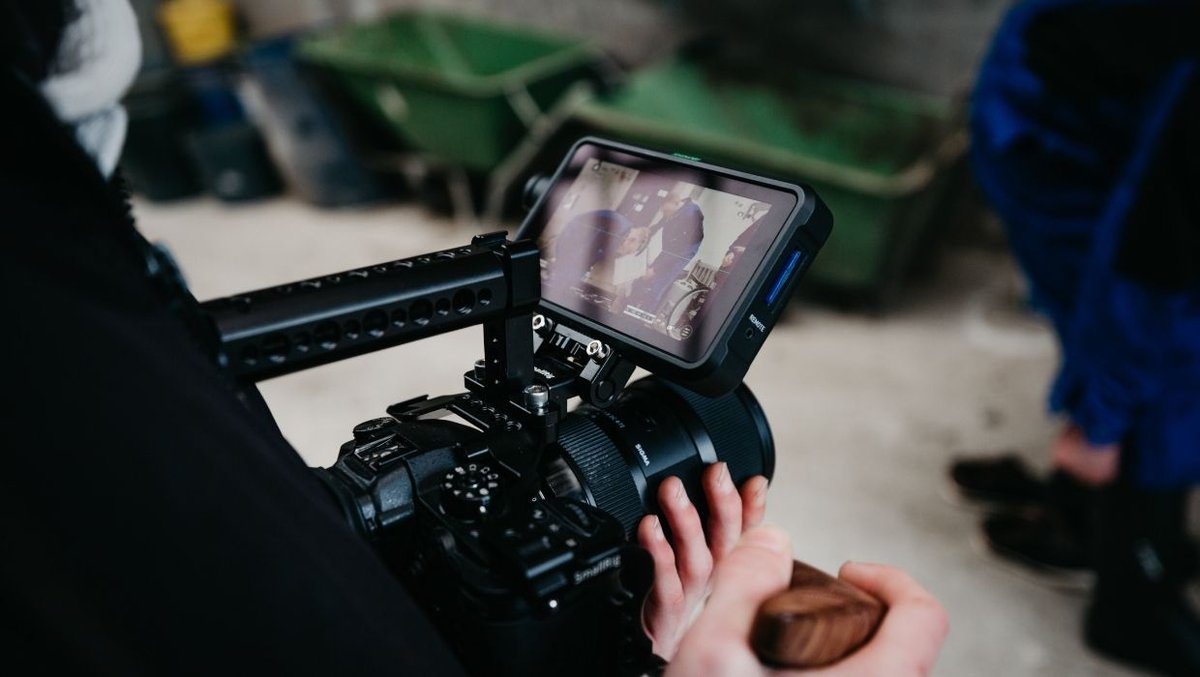
In the world of documentary filmmaking, where narratives are built on authenticity and a commitment to truth, Documentary Features & Archival Insights aren't just an option—they're the very bedrock. Imagine a historical documentary without the grainy footage of a bygone era or the crackle of an iconic speech. It would be a history lesson without its most compelling witnesses. Utilizing archival materials effectively isn't merely about dropping in old clips; it's a meticulous craft of discovery, evaluation, and thoughtful integration that brings the past into vivid, undeniable focus, allowing audiences to connect with historical events on a profound, visceral level.
At a Glance: Unlocking the Past for Powerful Documentaries
- Archival research is non-negotiable: It provides context, deep understanding, and verifies claims, becoming the foundation for compelling narratives.
- Materials come in many forms: Documents, images, and objects each offer unique windows into history.
- Authenticity is paramount: Always scrutinize the provenance, condition, context, and original purpose of any material.
- Systematic research pays off: Develop clear questions, locate diverse sources, then organize and analyze findings diligently.
- Footage breathes life into stories: Historical film clips, photographs, audio recordings, and newsreels add powerful emotional resonance and irrefutable credibility.
- Context is king: Never present archival footage in isolation; use narration, interviews, and visual overlays to guide your audience.
- Ethics and legality demand respect: Secure consent, ensure accurate representation, avoid bias, and always respect copyright laws.
- Filmmakers must be diligent historians: Verify every source, collaborate with experts, and avoid common pitfalls like misrepresentation or lack of context.
The Bedrock of Truth: Why Archival Research is Indispensable
Think of archival research as the investigative journalism of history. For any documentary aiming to explore past events, people, or movements, a deep dive into historical records isn't just a good idea—it's absolutely crucial. This process doesn't just provide background; it furnishes the very evidence that gives your documentary its weight, context, and a deep understanding of the subject matter. It's how you move beyond speculation to substantiated truth.
Effective research goes far beyond a quick Google search. It requires a nuanced understanding of different material types, a keen eye for evaluating authenticity, and a solid grasp of the historical context in which these materials were created. Without this rigorous approach, a documentary risks presenting a superficial or, worse, inaccurate portrayal of history.
Unearthing the Past: Types of Archival Materials
The richness of history lies in the diverse array of remnants it leaves behind. When you embark on archival research, you'll encounter a fascinating spectrum of materials, each offering a unique lens through which to view the past. Understanding these categories is the first step in knowing what kind of evidence you're seeking.
Documents: The Written Word of History
These are the silent storytellers of the past. Documents encompass a vast range of written records, from the intimate jottings in personal diaries and the heartfelt sentiments of letters, to official government reports, organizational minutes, and the daily chronicles found in newspaper articles. They provide invaluable firsthand accounts, individual insights, and the primary information that often forms the backbone of a historical narrative. Uncovering a document that directly addresses your research question can be like striking gold.
Images: Visual Echoes Through Time
Visual materials, such as photographs and illustrations, don't just decorate a documentary; they provide powerful, non-verbal evidence. Images can support or even challenge written records, offering unique perspectives that text alone cannot convey. A single photograph can capture an emotion, a setting, or a moment in time with striking immediacy, often conveying more than paragraphs of description ever could.
Objects: Tangible Connections to Yesterday
Artifacts, ranging from clothing and furniture to personal items like tools or trinkets, offer a tactile connection to the past. These objects provide tangible evidence of how people lived, what they valued, and the material culture of a specific era. While they might require more interpretive work, objects can ground a historical narrative in the physical realities of daily life, making the past feel more immediate and real.
Beyond the Surface: Evaluating Authenticity and Reliability
Finding archival materials is one thing; trusting them is another entirely. A seasoned documentarian knows that not all historical records are created equal, and verifying their authenticity and reliability is a critical step before they make it into your film. This isn't just about skepticism; it's about rigorous due diligence.
Probing the Past: Four Pillars of Evaluation
- Provenance: This refers to the material's origin, its complete history, who owned it, and how its custody changed over time. Knowing the chain of ownership helps confirm its legitimacy and can reveal potential biases or alterations.
- Condition: The physical state of the material matters. Damage, deterioration, or signs of alteration can hint at its age, handling, or even deliberate modification. A pristine document claiming to be centuries old might raise a red flag.
- Context: Consider the historical and cultural environment in which the material was created. Who created it? What was happening in the world at that moment? Understanding its original surroundings helps you interpret its meaning accurately.
- Purpose: Why was this material created in the first place? Was it a private letter, a public announcement, a propaganda piece, or a historical record? Its intended use profoundly impacts its reliability and potential biases. A political poster, for example, serves a very different purpose than a confidential memo.
Understanding the broader historical context—the prevailing social, cultural, and political climate, as well as significant events of the time—is absolutely essential for interpreting any archival material correctly. Without this framework, you risk misinterpreting evidence or taking it out of its original meaning.
Your Research Roadmap: Steps to Effective Archival Discovery
Archival research, while exhilarating, can also feel overwhelming without a clear strategy. Just like any complex journey, having a roadmap will guide your exploration and ensure you uncover the most relevant and reliable materials for your documentary.
Charting Your Course: Key Research Steps
- Develop a clear research question and hypothesis: Before you even open a database, precisely identify your topic and formulate a specific, answerable question. What exactly are you trying to prove or explore? A focused question will prevent you from getting lost in a sea of unrelated information.
- Search and locate relevant archival materials: This is where the real digging begins. You'll likely start with online databases and digital archives, such as the vast collections at the Library of Congress or the British Film Institute, which offer a wealth of initial leads. However, don't shy away from visiting physical archives and specialized libraries. Contacting professional archivists can be invaluable, as they are the guardians of these collections and often possess deep institutional knowledge. Networking with other researchers in your field can also open doors to previously unknown sources.
- Organize and analyze research findings: As you gather materials, create a robust system for organizing them. This could involve digital folders, bibliographic software, or even a detailed physical filing system. Once organized, meticulously analyze the materials for patterns, recurring themes, and unique insights. This analytical phase allows you to draw conclusions and connect disparate pieces of evidence, ultimately shaping the narrative and informing the direction of your documentary project.
Archival research fundamentally enhances documentary filmmaking by providing deep context and invaluable insight. The materials you uncover can be directly incorporated as references, integrated into the final product as powerful visual or audio elements, or even inspire entirely new creative directions for your work. Just remember: ethical use requires proper credit, accurate attribution, careful contextualization, and unwavering transparency about your methods and any inherent biases in the materials.
Bringing History to Life: The Power of Archival Footage in Film
Beyond static documents and images, moving archival footage is a vital, dynamic element in documentaries. It's the closest we can come to truly witnessing history unfold. This footage doesn't just provide historical context; it injects a potent dose of authenticity and enhances viewer understanding through direct exposure to real-life events. It evokes emotional responses in a way that mere description cannot, allowing audiences to feel the weight and gravity of the past. Crucially, it validates narrative claims, transforming abstract facts into undeniable visual evidence.
The Voices and Images of Yesterday: Types of Archival Footage
- Historical film clips: These are perhaps the most compelling, showing actual events, people, and places in motion. From silent newsreels to amateur home movies, they offer direct, unfiltered glimpses into specific moments.
- Photographs: While static, well-chosen historical photographs, especially when animated or skillfully presented, can convey immense information and emotion.
- Audio recordings: Speeches, interviews, radio broadcasts, and even ambient sounds from an era can transport viewers aurally, adding another layer of authenticity and emotional resonance to the narrative.
- Newsreels: These short, informational films, prevalent before television, documented current events and cultural trends, offering a curated—and sometimes biased—snapshot of their time.
Crafting the Narrative: How Archival Footage Shapes Story & Accuracy
The selection of archival footage is far from a neutral act; it significantly shapes a documentary's narrative. Each clip, photo, or audio snippet you choose contributes to the visual context, evokes specific emotions, helps establish the credibility of your arguments, and builds an undeniable sense of authenticity. It’s like selecting the perfect puzzle pieces to form a coherent, compelling picture of the past.
The Unwavering Demand for Historical Accuracy
For any documentary that purports to tell a factual story, historical accuracy is paramount. It forms the very backbone of narrative integrity, ensuring that audiences are truly informed rather than misled. This commitment builds trust with your viewers and actively prevents the spread of misinformation, which is more critical than ever in our digital age.
However, upholding this standard isn't without its obstacles:
- Availability of reliable sources: Sometimes the most crucial information is incomplete, biased, or simply doesn't exist.
- Pressure to create engaging narratives: The artistic drive to tell a compelling story can sometimes tempt filmmakers to take artistic liberties that stray from factual accuracy.
- Audience expectations: Viewers, often accustomed to simplified or sensationalized history, might prefer a dramatic narrative over a nuanced, accurate one.
- Time and budget constraints: Thorough research is time-consuming and expensive. Limited resources can restrict the depth of investigation.
Despite these challenges, archival footage is a powerful ally in enhancing historical accuracy. It provides authentic visual evidence, serving as primary source material that directly supports narrative claims. It can reveal subtle cultural contexts often missed in text and, critically, can counteract biases by presenting diverse perspectives or undeniable evidence. For a deeper dive into how historical accuracy elevates complex narratives, consider exploring a complete guide to Snow White, examining how a classic story's history is preserved through meticulous detail.
Bridging Eras: Techniques for Contextualizing and Integrating Footage
Dropping a raw, unexplained piece of archival footage into a contemporary film is rarely effective. The power of these historical gems comes not just from their existence, but from how skillfully they are contextualized and integrated into the broader narrative. It’s about weaving the past seamlessly into the present.
Guiding Your Audience Through Time: Contextualization Techniques
- Narration: A well-crafted voice-over is often the most direct way to explain the historical context and significance of the footage. It can provide dates, names, background, and guide the audience's interpretation.
- Interviews: Contemporary interviews with historians, eyewitnesses, or experts can add crucial personal perspectives and validate the content of the archival footage, bridging the past with current understanding.
- Visual overlays: Simple yet effective, on-screen text or graphics can provide dates, locations, names, or additional critical information, ensuring viewers grasp the specifics without interrupting the flow.
Weaving Past and Present: Integration Strategies
Filmmakers masterfully integrate archival footage with contemporary content using a variety of techniques that ensure cohesion and impact:
- Cross-cutting: Alternating between historical footage and present-day scenes can create powerful juxtapositions, highlight continuity or change, and maintain narrative momentum.
- Voice-over narration: As mentioned, this is a classic technique that overlays explanations or commentary onto the archival visuals, smoothly transitioning between eras.
- Adjusting visual and audio elements: Subtle changes to color grading (e.g., sepia tones for older footage), aspect ratio adjustments, or even intentionally degraded sound can visually and audibly signal to the audience that they are stepping into the past, maintaining aesthetic consistency while differentiating historical segments.
Further editing techniques, such as on-screen text and careful juxtaposition with contemporary footage, enhance contextualization. Moreover, sound design is absolutely crucial. The right soundscape—whether it's the roar of a crowd, the distant crackle of an old radio, or a period-appropriate musical score—can evoke historical atmospheres and deepen emotional resonance, truly immersing the viewer in the time period.
The Moral Compass: Ethical and Legal Landmines in Archival Use
The responsibility of a documentary filmmaker extends beyond factual accuracy; it deeply involves ethical and legal considerations. Using archival footage means engaging with real lives, sensitive histories, and complex legal frameworks. Navigating these waters with integrity is paramount.
Respecting the Past and Its People: Ethical Considerations
- Consent: This is crucial, especially for identifiable individuals depicted in the footage. While obtaining consent from long-deceased individuals is impossible, filmmakers must be sensitive to the dignity and privacy of their descendants and living relatives.
- Context: Accurate presentation is non-negotiable. Presenting footage out of its original context can mislead viewers, distort historical events, and perpetuate harmful stereotypes. Always strive for historical fidelity in how footage is framed.
- Representation: Filmmakers have a profound responsibility to respect the dignity of individuals and communities, particularly when dealing with sensitive or traumatic historical events. This includes being acutely aware of inherent biases within the archival material itself (e.g., colonialist perspectives, gender biases) and actively striving for a balanced and nuanced view that gives voice to marginalized perspectives.
Navigating the Legal Landscape: Copyright and Permissions
Copyright issues are perhaps the most common legal hurdle when using archival footage. Historical materials, even those that seem old, often remain under copyright, requiring filmmakers to secure proper permissions and licenses before use. This process can be incredibly time-consuming, involve extensive negotiation, and often be quite expensive, particularly for high-profile or commercially valuable footage. Budgeting for licensing is a critical early step in any archival documentary project.
Ultimately, filmmakers bear the significant responsibility for accurately and ethically portraying historical events. This involves not only thorough research and consulting primary sources and experts but also maintaining acute sensitivity to the perspectives of all affected individuals and communities.
Your Archival Toolkit: Best Practices for Filmmakers
Leveraging archival material effectively in a documentary is an art and a science. It requires a strategic approach, meticulous attention to detail, and a commitment to both historical accuracy and ethical storytelling.
Actionable Steps for Archival Mastery
- Verify its authenticity: Never assume. Check the sources, context, and condition of every piece of footage. Cross-reference records with other reliable accounts and, when in doubt, consult experts (historians, archivists) who can vouch for its legitimacy.
- Secure proper licensing and rights: This cannot be overstressed. Identify copyright holders early, budget for licensing fees, and obtain all necessary permissions in writing. Ignorance is not a defense against legal action.
- Provide clear context for the footage: As discussed, use narration, on-screen text, and interviews to explain what the audience is seeing, its significance, and its place in the larger narrative. Don't leave viewers guessing.
- Balance archival material with contemporary content: A film that is solely archival might feel static or detached. Weave in contemporary interviews, present-day footage, or expert analysis to create a dynamic dialogue between past and present.
- Involve historians or experts in the editing process: Their insights can be invaluable for ensuring that the footage is interpreted correctly and positioned within the most accurate historical framework. Their input can prevent factual errors and misrepresentations.
Remember that digital archives are your friends. Resources like the Library of Congress, the British Film Institute, Getty Images, and various university archives offer vast, searchable collections that can kickstart your research and provide high-quality materials.
Watch Your Step: Common Pitfalls to Avoid
Even with the best intentions, it's easy to stumble when working with archival material. Being aware of potential pitfalls can save you time, money, and your documentary's reputation.
Navigating the Minefield: Traps to Sidestep
- Using footage without proper context or verifying authenticity: This is perhaps the gravest error, leading to misinformation and undermining your film's credibility.
- Lacking relevance to the narrative: Every piece of footage should serve a purpose. Don't include material just because it looks cool; if it doesn't advance your story or support your thesis, it's filler.
- Ignoring copyright issues: This can lead to costly lawsuits, injunctions, and the forced removal of your film from distribution.
- Overloading the film with archival material: Too much historical footage without sufficient contemporary context or narrative flow can bore audiences or make the film feel disjointed.
- Neglecting to credit sources: Always attribute where your footage came from. This is both an ethical responsibility and a professional courtesy.
Misrepresentation of archival footage isn't just a minor mistake; it actively distorts narratives, creates enduring misconceptions in the public mind, and fundamentally undermines the credibility of both the filmmaker and the historical record itself. In severe cases, it can lead to significant legal repercussions.
To enhance its use and impact, prioritize relevance and context above all else. Use clear timestamps and sourcing information, employ voiceovers and interviews to explain its significance, match the pacing and aesthetic quality where appropriate, and always ensure high-quality transfers from original sources for the best visual and audio fidelity.
Crafting Lasting Truths Through Archival Storytelling
The journey into Documentary Features & Archival Insights is a profound one. It’s an adventure into the past, governed by the principles of careful research, ethical discernment, and creative integration. By committing to these practices, you don't merely create a film; you construct a bridge between bygone eras and contemporary understanding. You give voice to the voiceless, shed light on forgotten chapters, and ultimately, elevate historical truths in a way that resonates deeply with audiences.
Your role as a documentary filmmaker, armed with the power of the archive, is to be a meticulous historian, a compelling storyteller, and an unwavering guardian of authenticity. Embrace the challenge, respect the material, and let the undeniable echoes of history speak through your work. The narratives waiting within the archives are vast and vital, and your careful hand can bring them to life for generations to come.